Did you know that hibiscus cotton grows in multiple colors such as, green, brown, white, and tan?
Naturally colored cotton has existed for thousands of years and was cultivated by several ancient civilizations. Archaeological and historical evidence indicates that cotton varieties in regions such as ancient Egypt and the Indus Valley displayed a broader range of pigmentation than is commonly observed today (Gossypium). These pigments were the result of naturally occurring genetic traits rather than artificial dyeing processes.
Over time, however, agricultural practices shifted toward the mass production of white cotton due to its compatibility with industrial dyeing and textile manufacturing. Through extensive selective breeding and genetic standardization, many naturally pigmented cotton varieties were marginalized or lost, resulting in the predominance of white cotton and a limited number of green and brown varieties in modern agriculture. This reduction in color diversity reflects broader trends in monoculture farming and the prioritization of industrial efficiency over genetic variation.
Recent efforts in sustainable agriculture and textile research have sought to revive and preserve naturally colored cotton varieties. These initiatives demonstrate that pigments such as pink and blue can still be expressed under certain genetic and environmental conditions, alongside more commonly observed natural colors like green and brown. The reemergence of these varieties underscores the importance of biodiversity conservation and challenges the assumption that white cotton is the natural or default form of the crop.
This is educational and wearable art comes with a pre-selected five piece set of copper and cotton jewelry that will be selected at random.
5PCS Include: Crowne, a ring, earrings, bracelet, and necklace.
📸 Michael McLamb
Models: Cam & Trae
Jewelry: handmade and hand-picked in Harlem by Brother SLAVERY™.
Did you know that hibiscus cotton grows in multiple colors such as, green, brown, white, and tan?
Naturally colored cotton has existed for thousands of years and was cultivated by several ancient civilizations. Archaeological and historical evidence indicates that cotton varieties in regions such as ancient Egypt and the Indus Valley displayed a broader range of pigmentation than is commonly observed today (Gossypium). These pigments were the result of naturally occurring genetic traits rather than artificial dyeing processes.
Over time, however, agricultural practices shifted toward the mass production of white cotton due to its compatibility with industrial dyeing and textile manufacturing. Through extensive selective breeding and genetic standardization, many naturally pigmented cotton varieties were marginalized or lost, resulting in the predominance of white cotton and a limited number of green and brown varieties in modern agriculture. This reduction in color diversity reflects broader trends in monoculture farming and the prioritization of industrial efficiency over genetic variation.
Recent efforts in sustainable agriculture and textile research have sought to revive and preserve naturally colored cotton varieties. These initiatives demonstrate that pigments such as pink and blue can still be expressed under certain genetic and environmental conditions, alongside more commonly observed natural colors like green and brown. The reemergence of these varieties underscores the importance of biodiversity conservation and challenges the assumption that white cotton is the natural or default form of the crop.
This is educational and wearable art comes with a pre-selected five piece set of copper and cotton jewelry that will be selected at random.
5PCS Include: Crowne, a ring, earrings, bracelet, and necklace.
📸 Michael McLamb
Models: Cam & Trae
Jewelry: handmade and hand-picked in Harlem by Brother SLAVERY™.

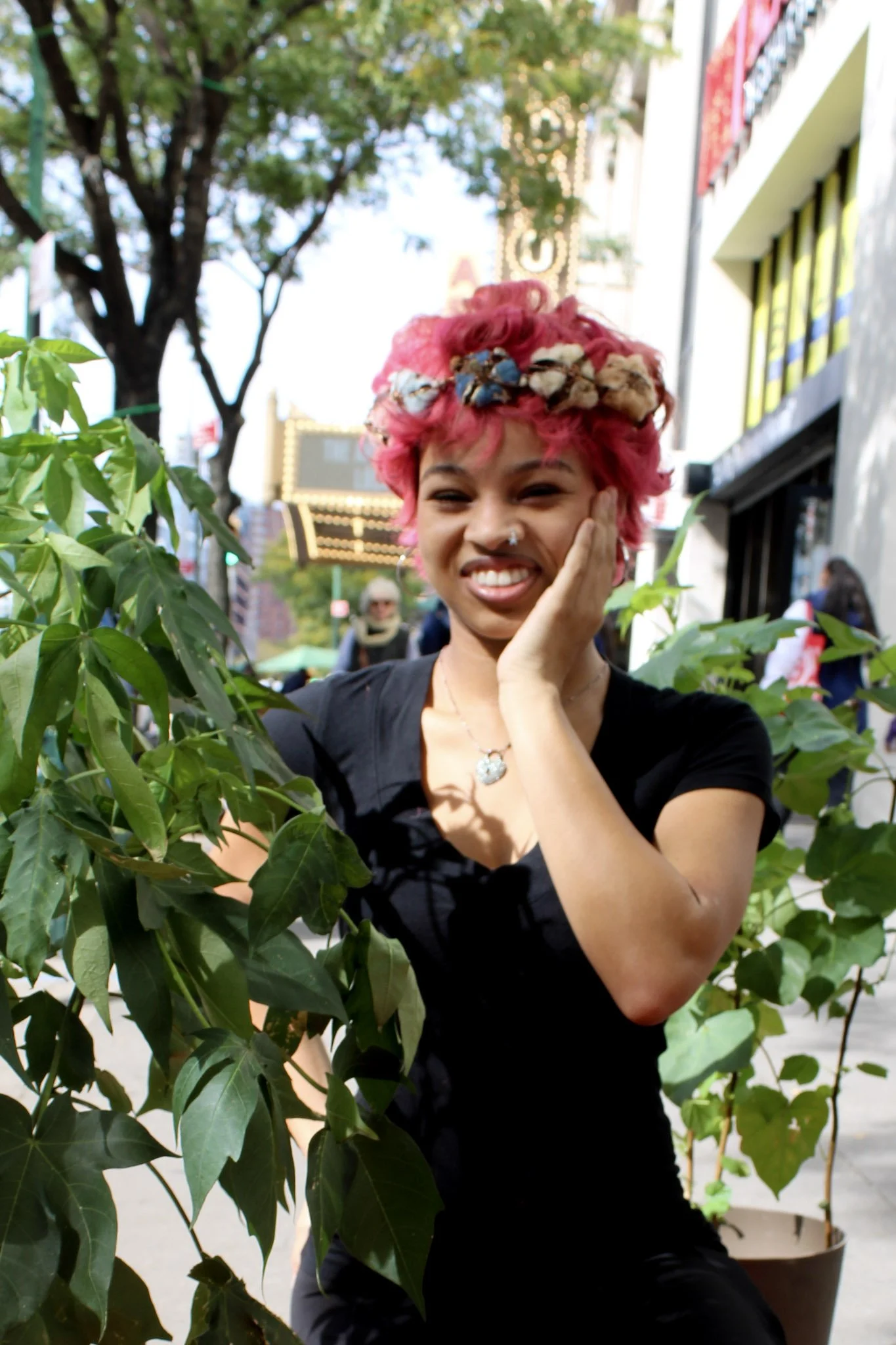 Image 1 of 6
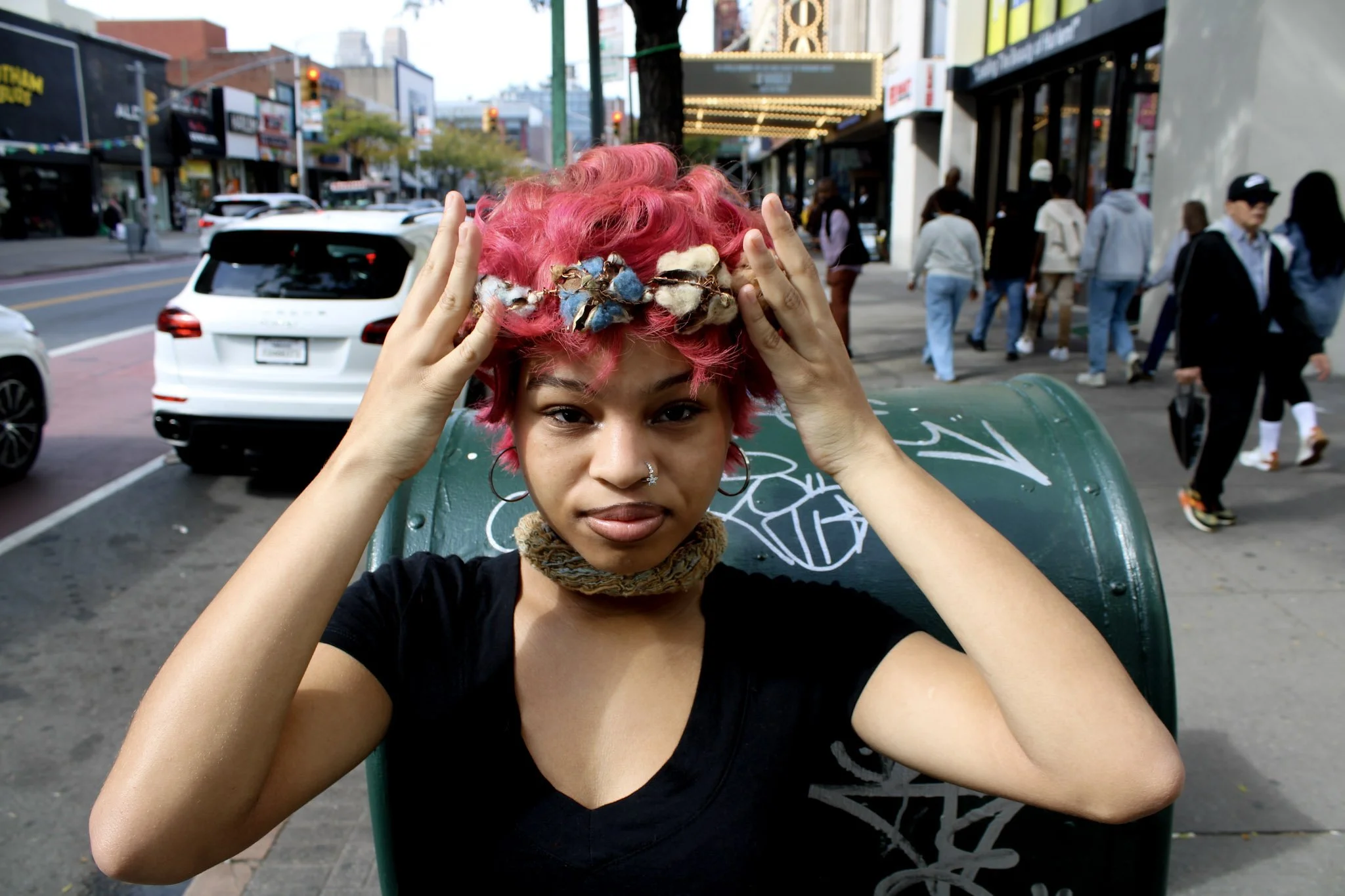 Image 2 of 6
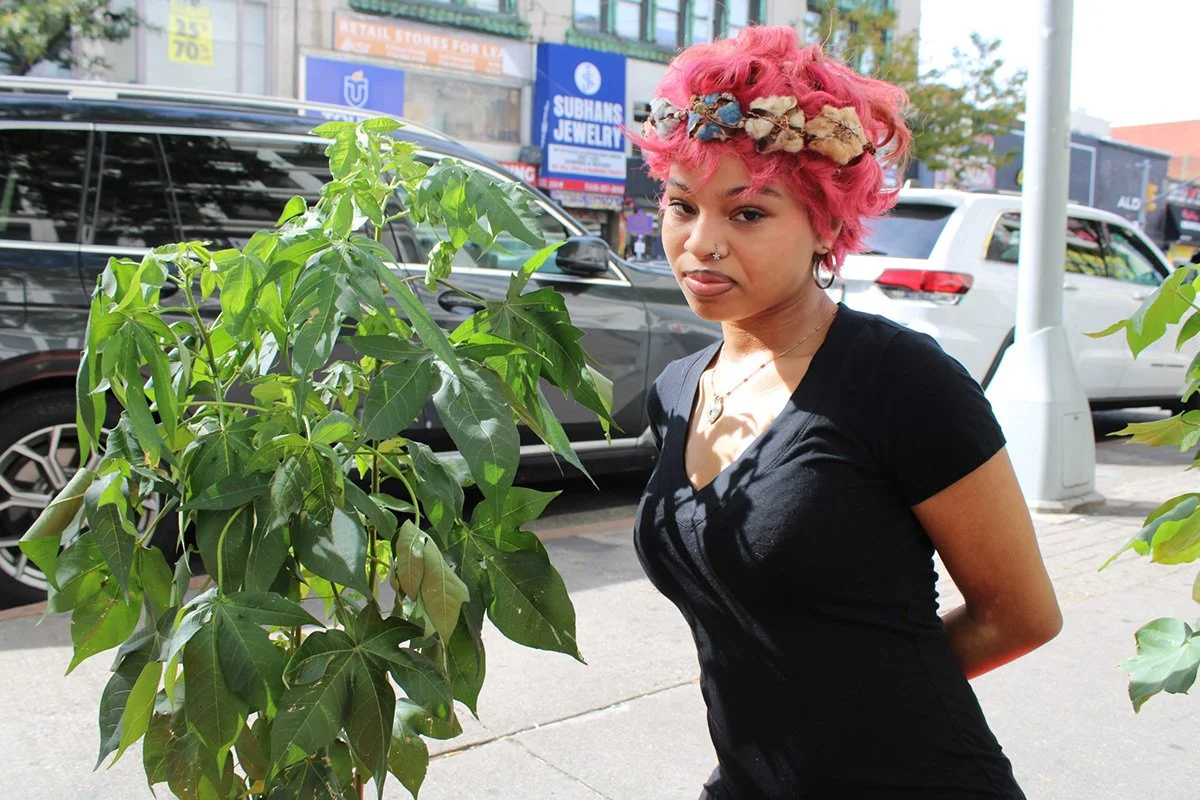 Image 3 of 6
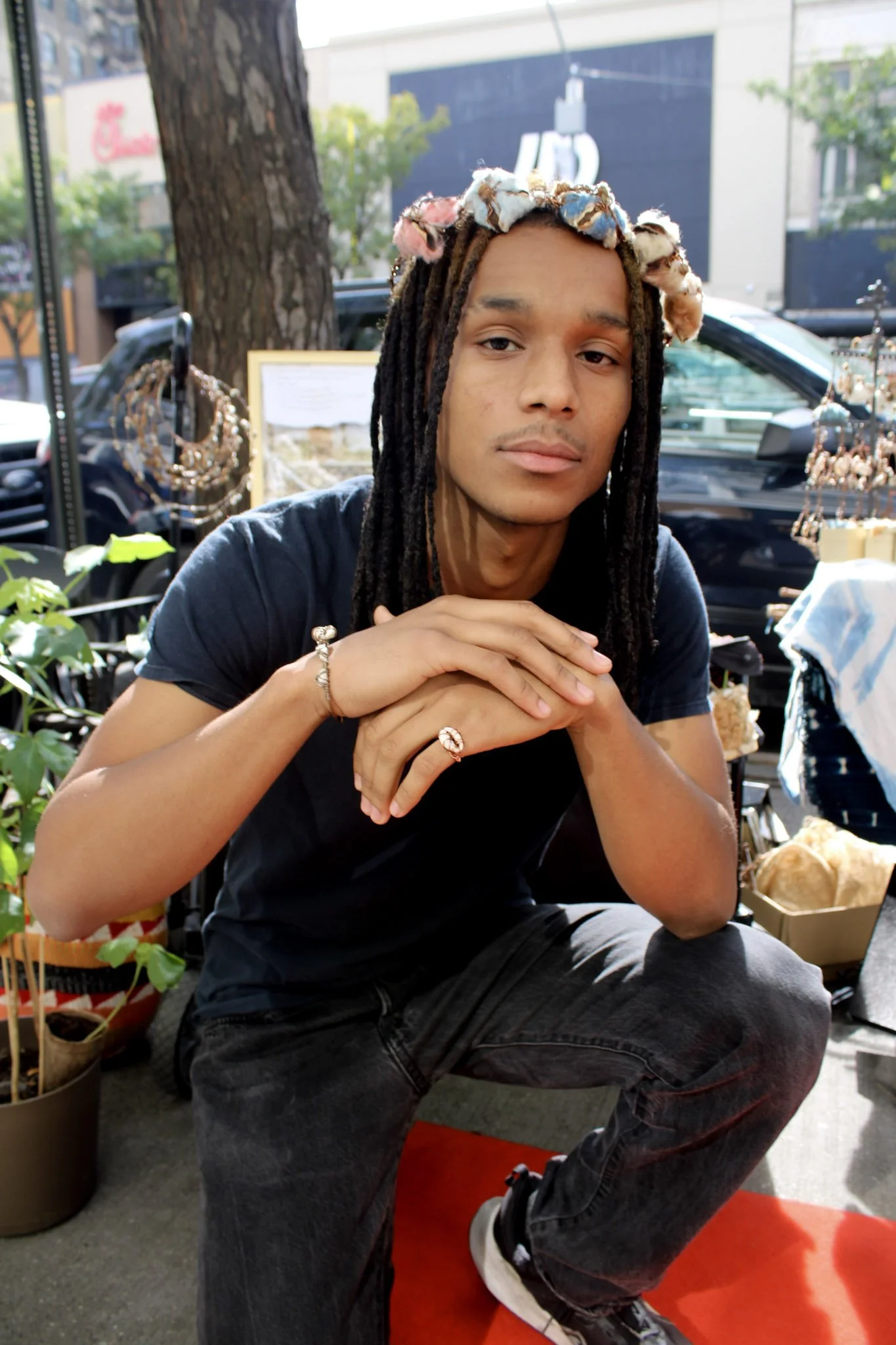 Image 4 of 6
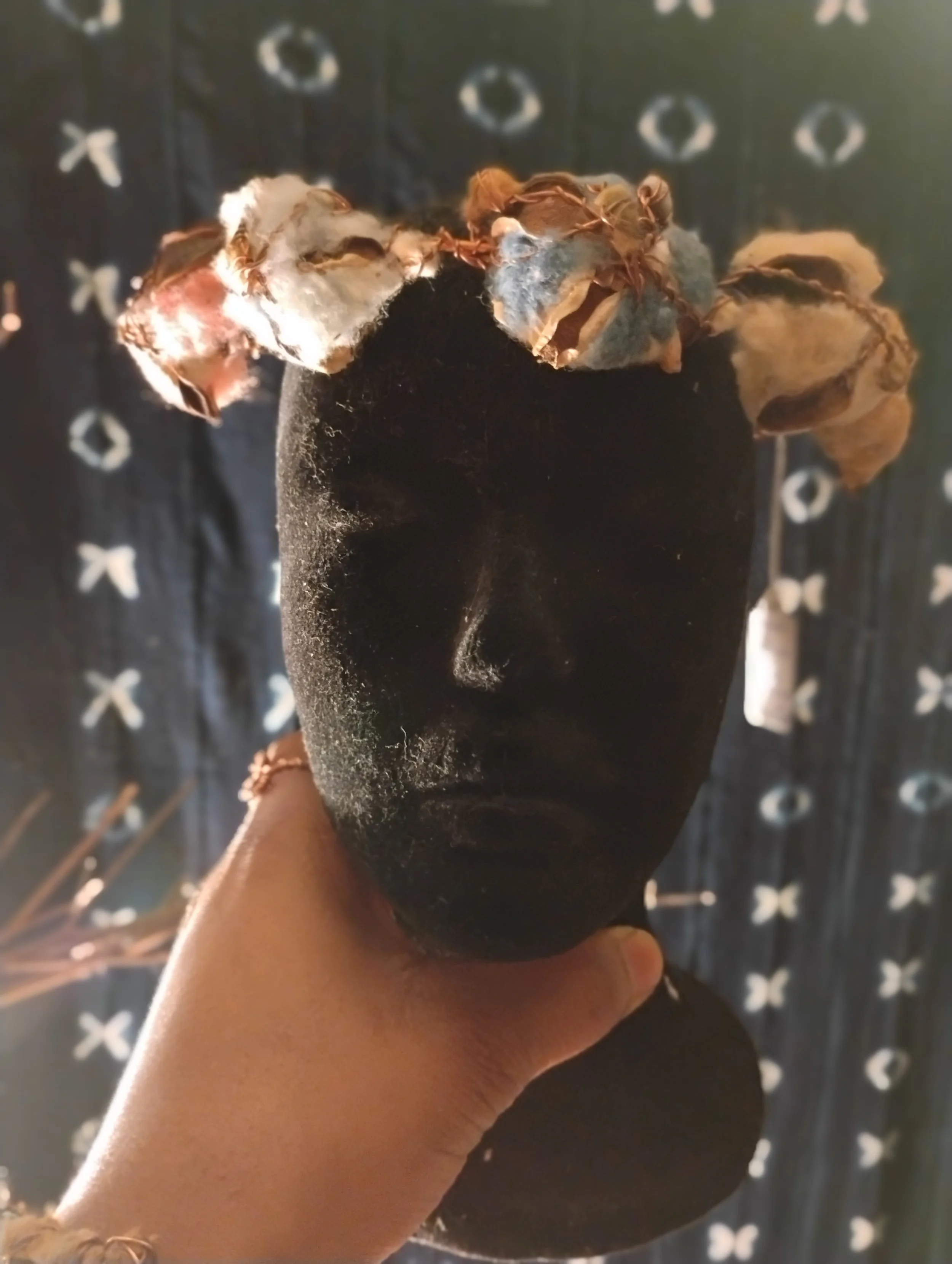 Image 5 of 6
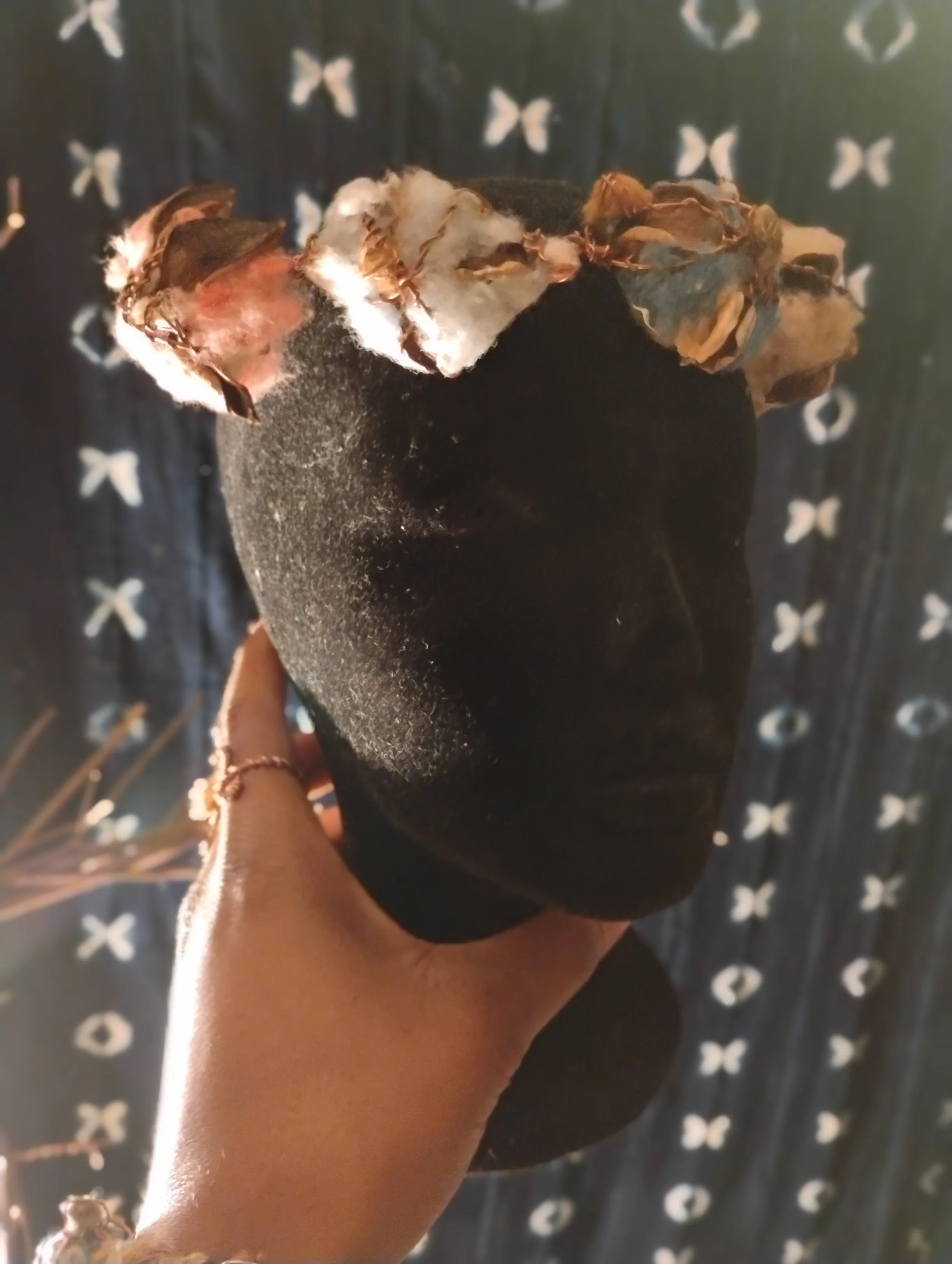 Image 6 of 6